
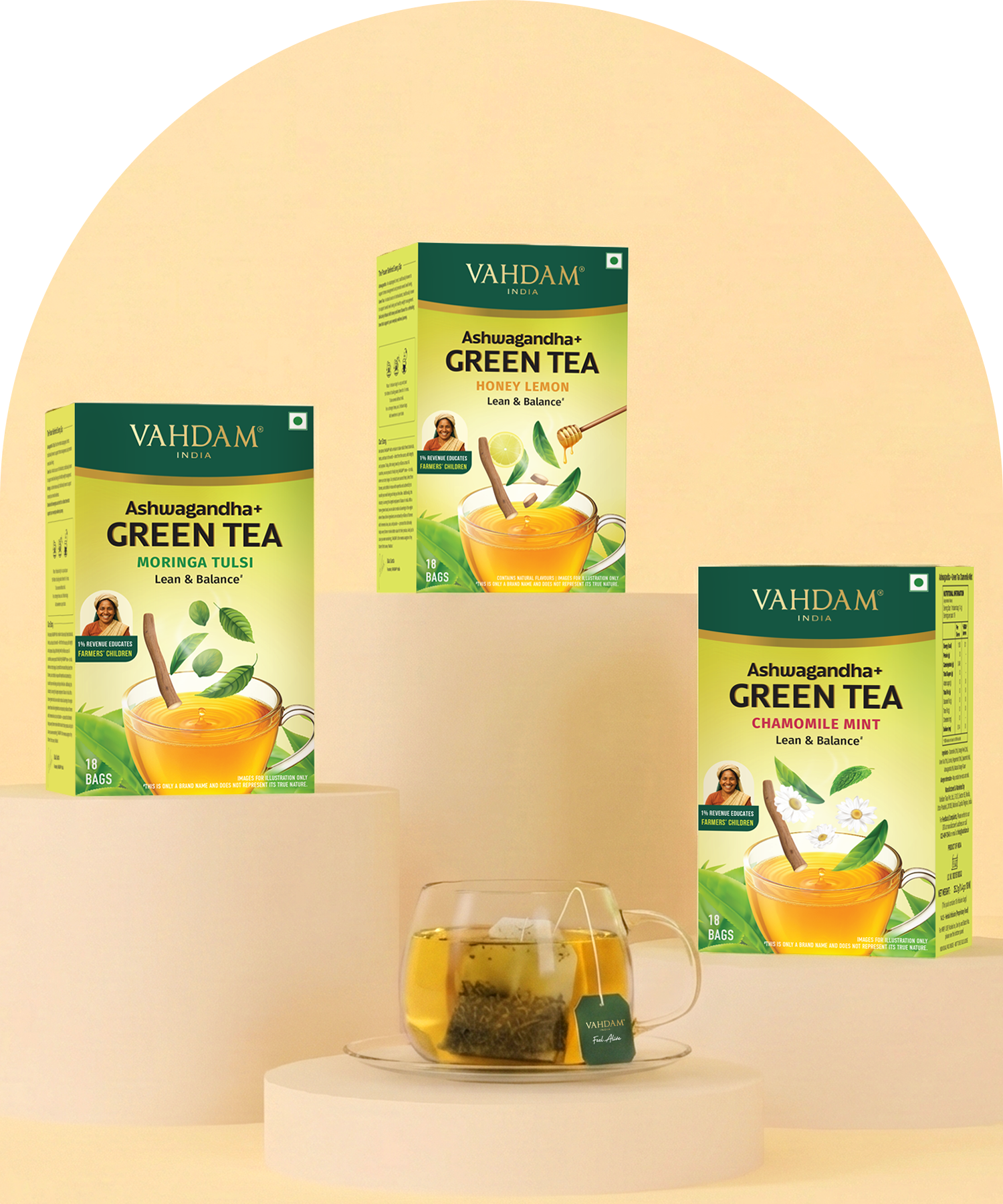
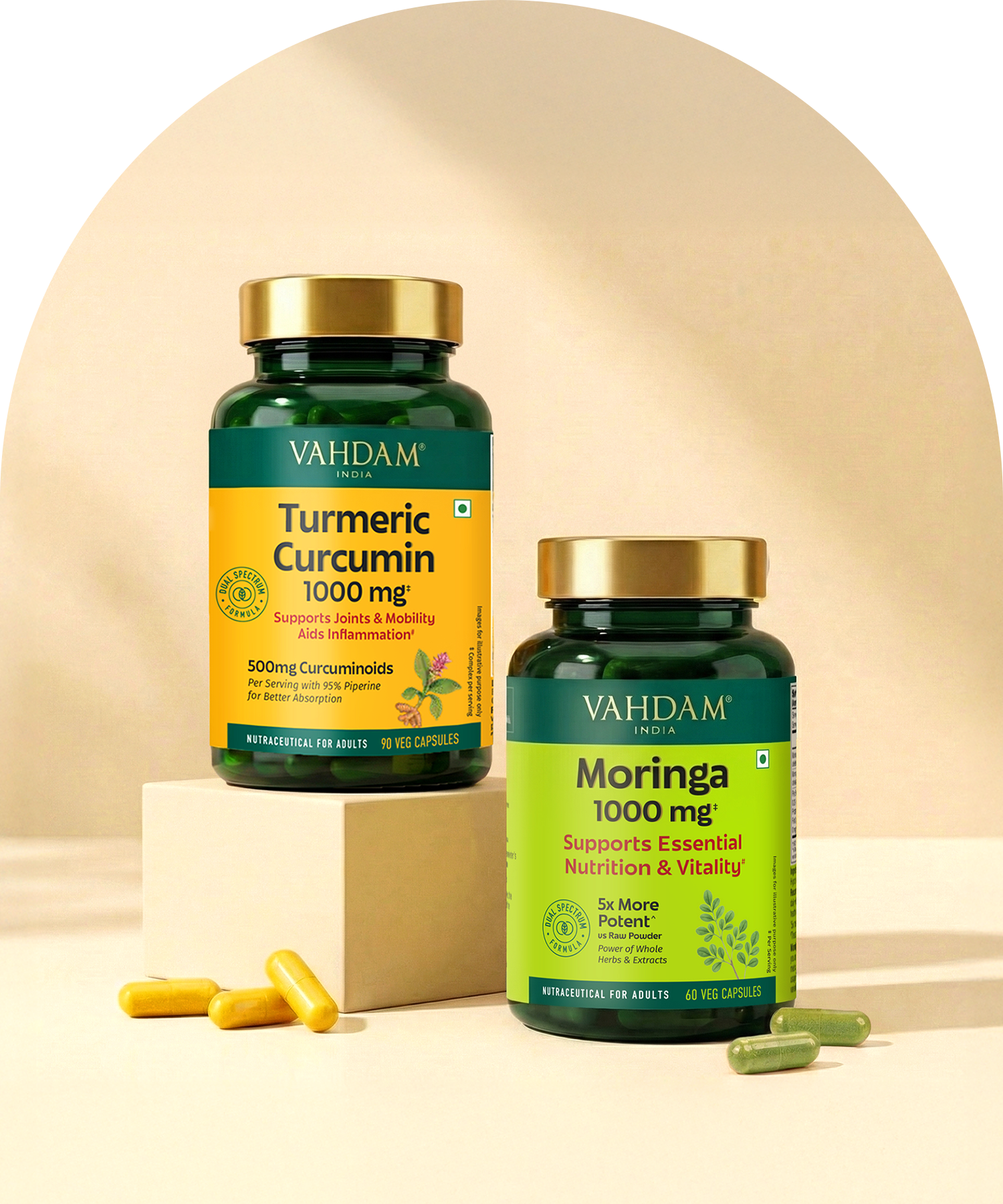
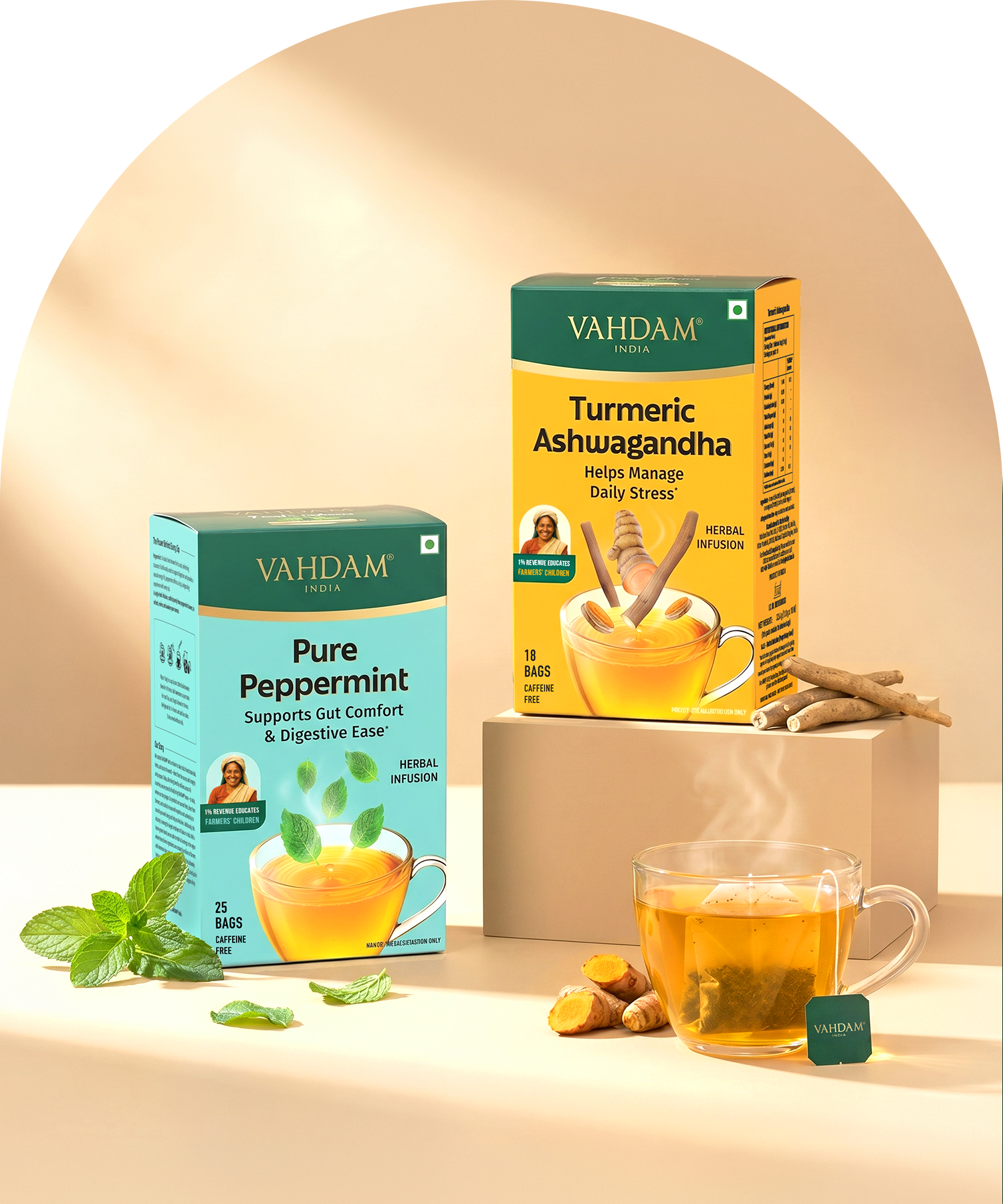

A Range of 100% Real Green Teas Straight From the Himalayas. Non-oxidized Teas, Minimally Processed to Retain Natural Antioxidants and the Freshest of Flavors. Find the Perfect Balance of Health in Every Sip.
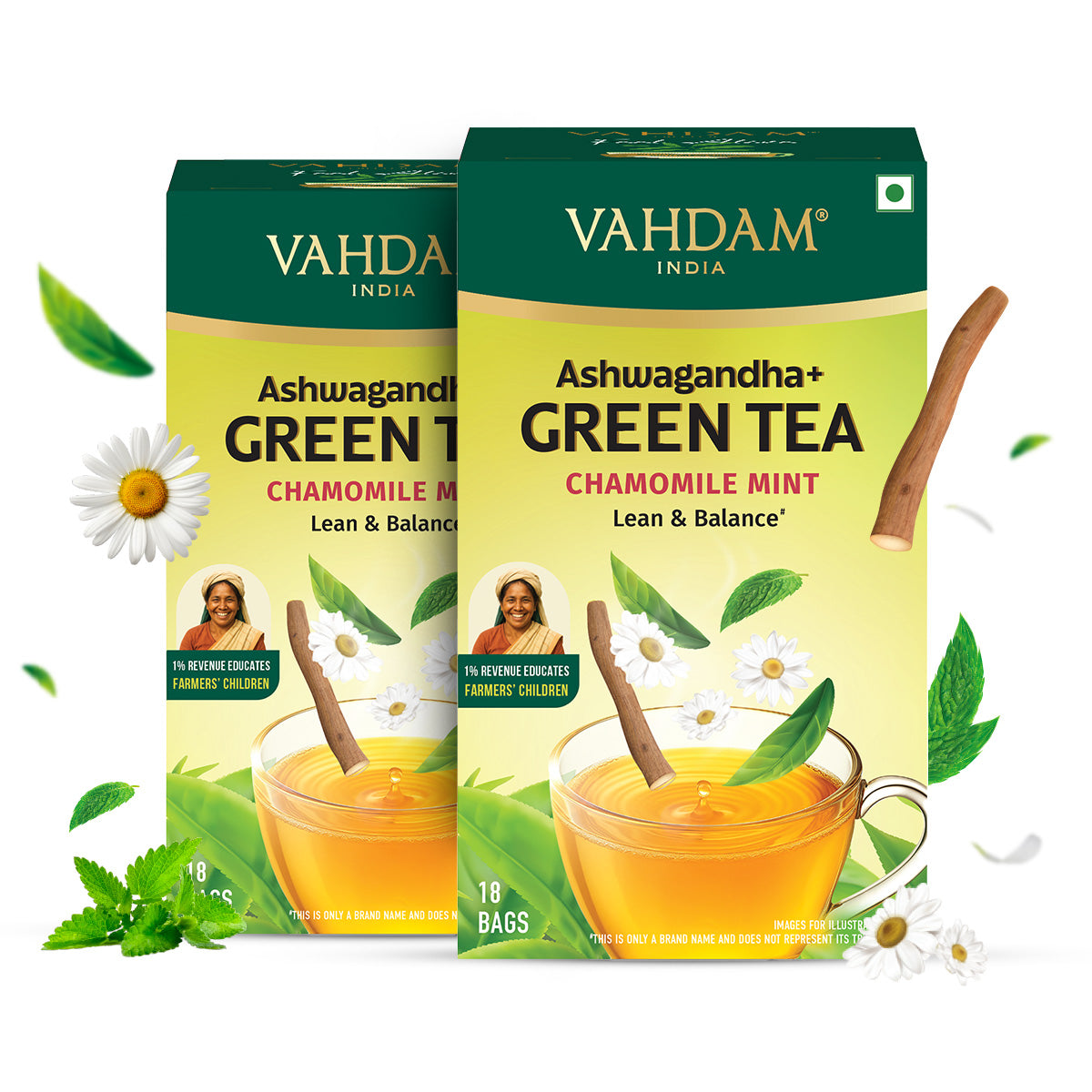
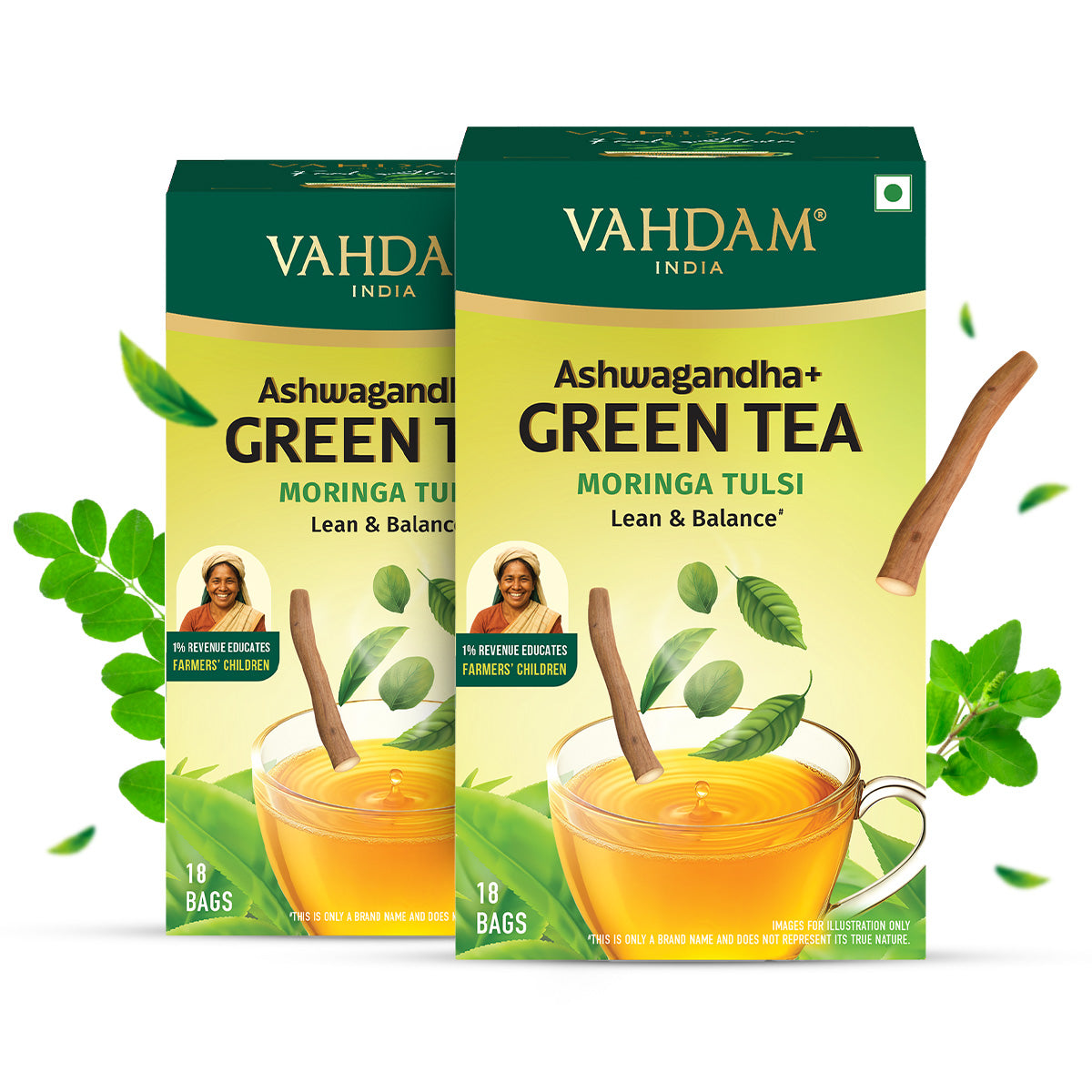
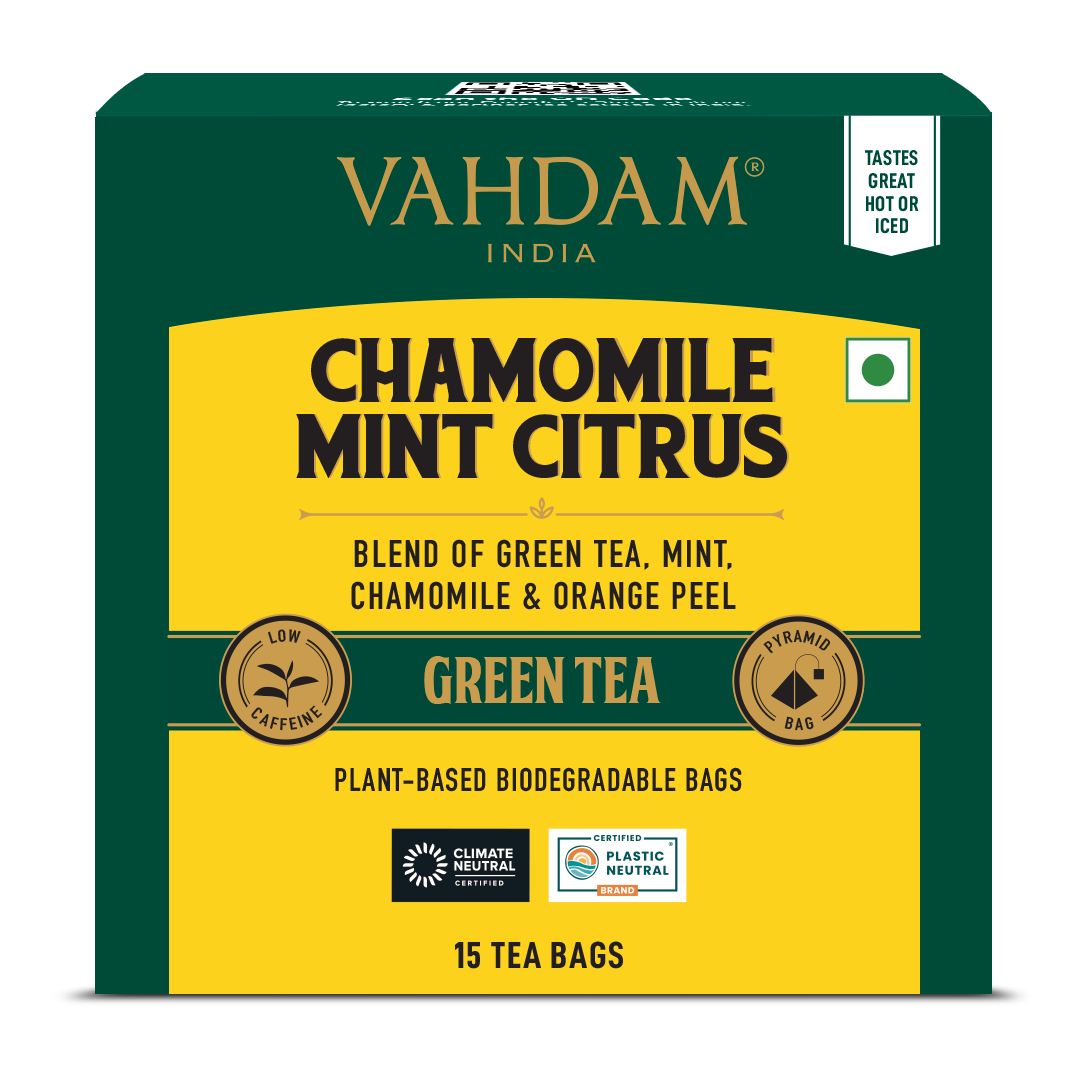
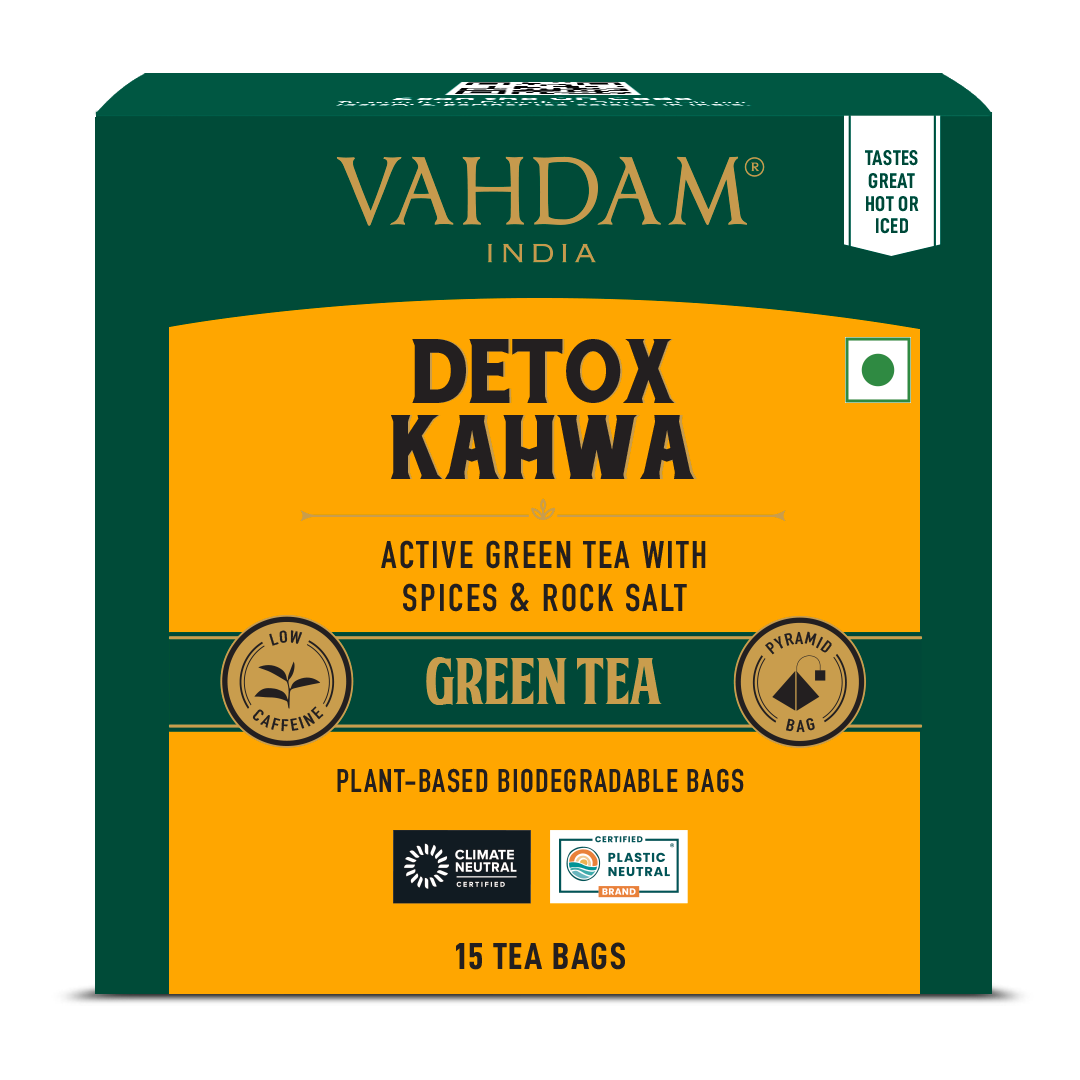
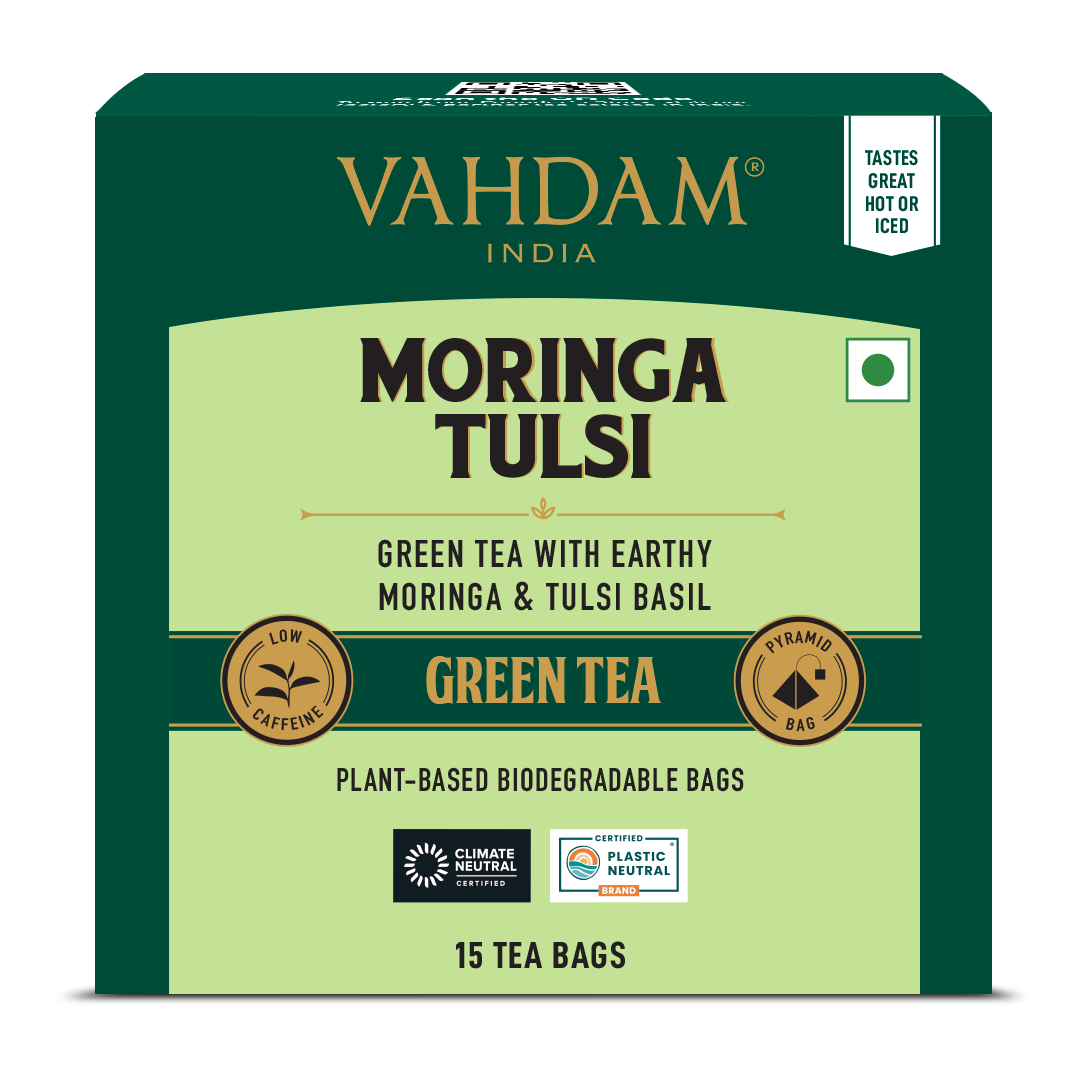
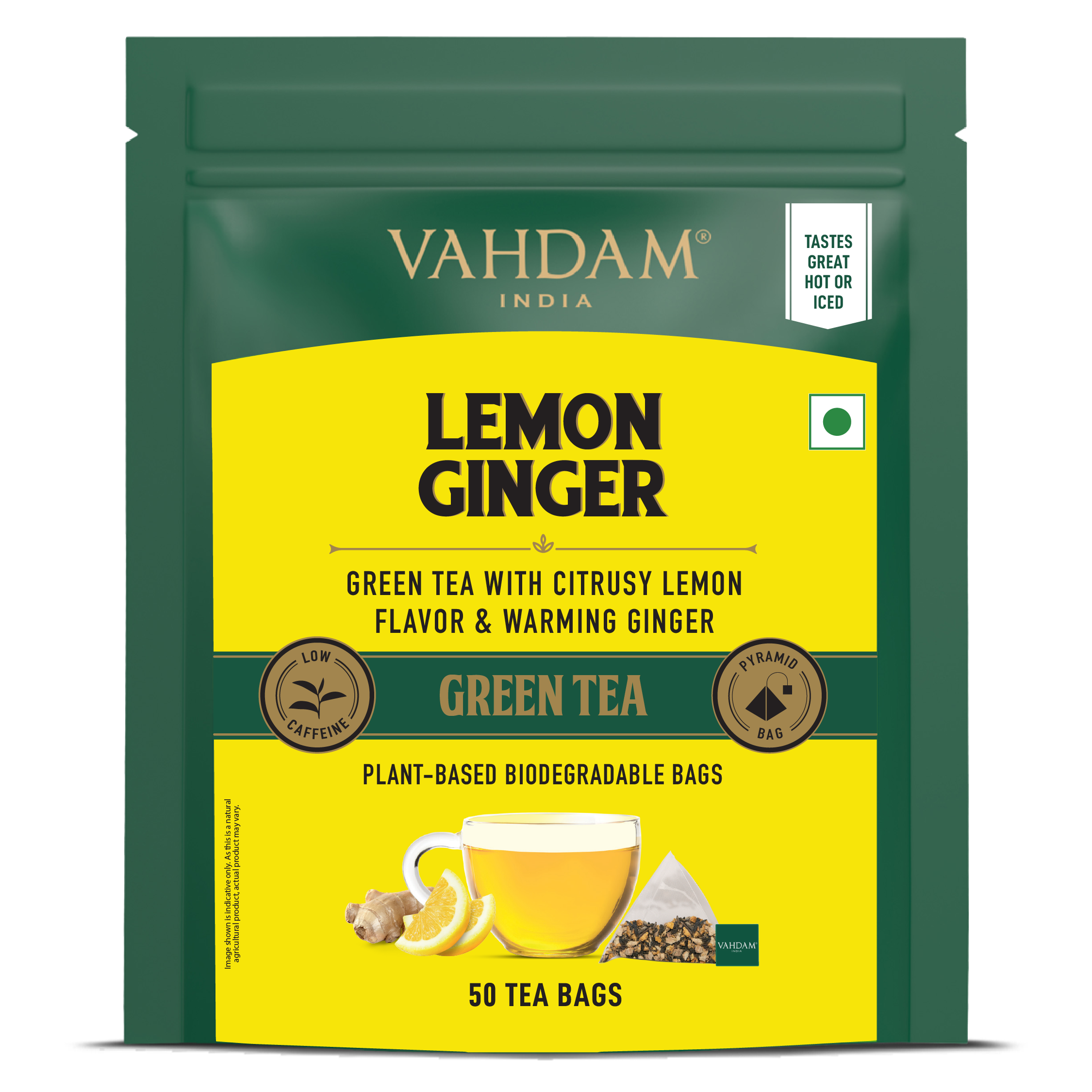
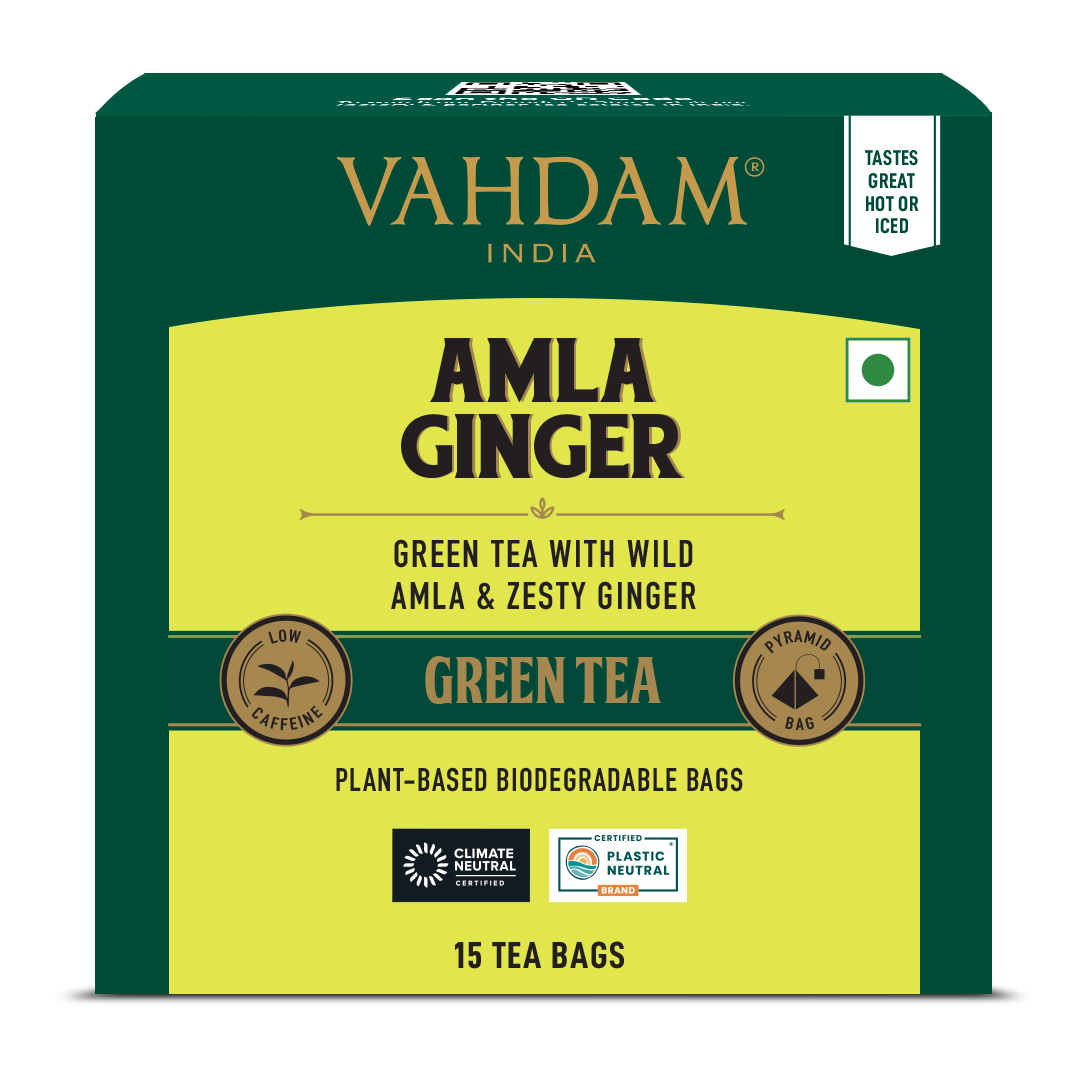
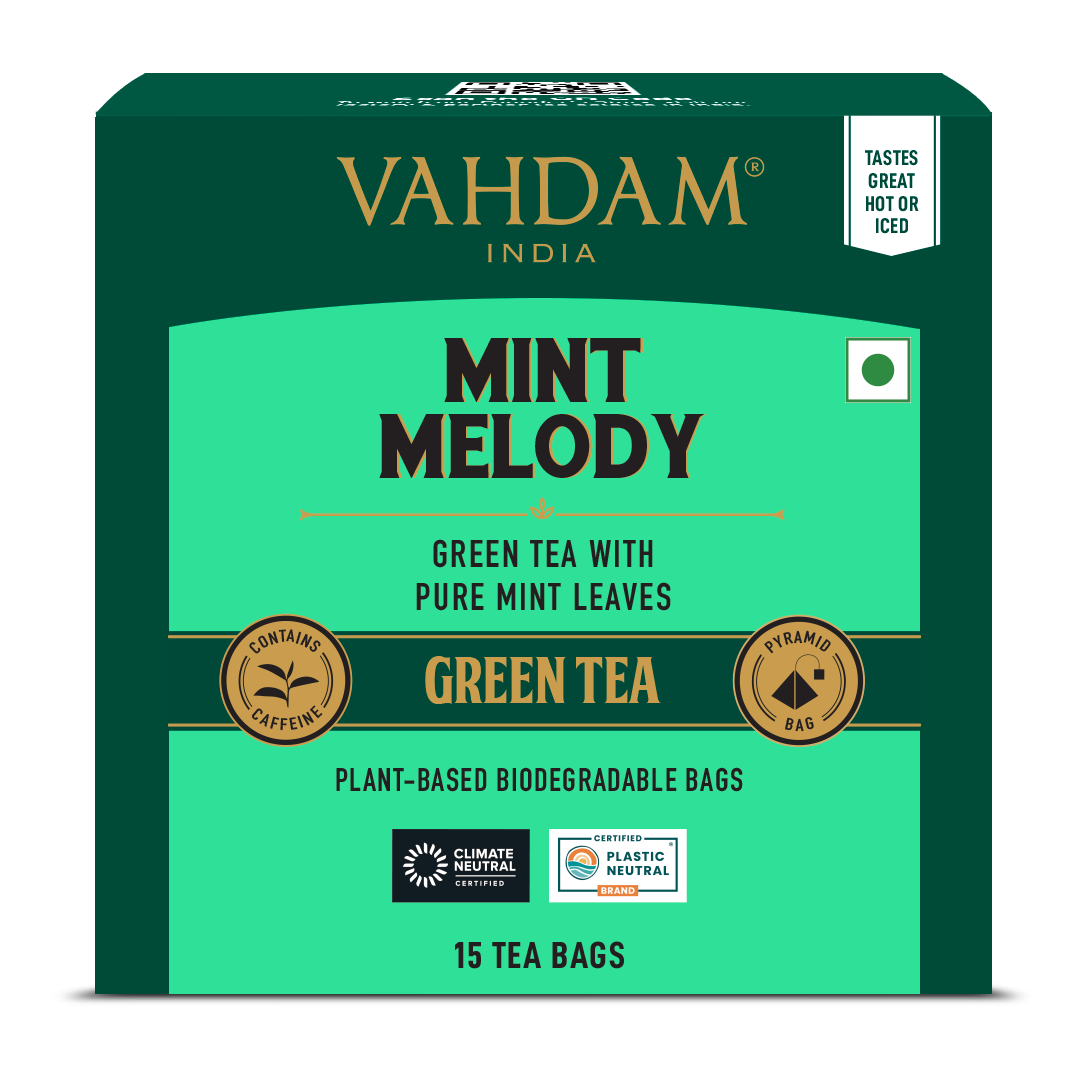
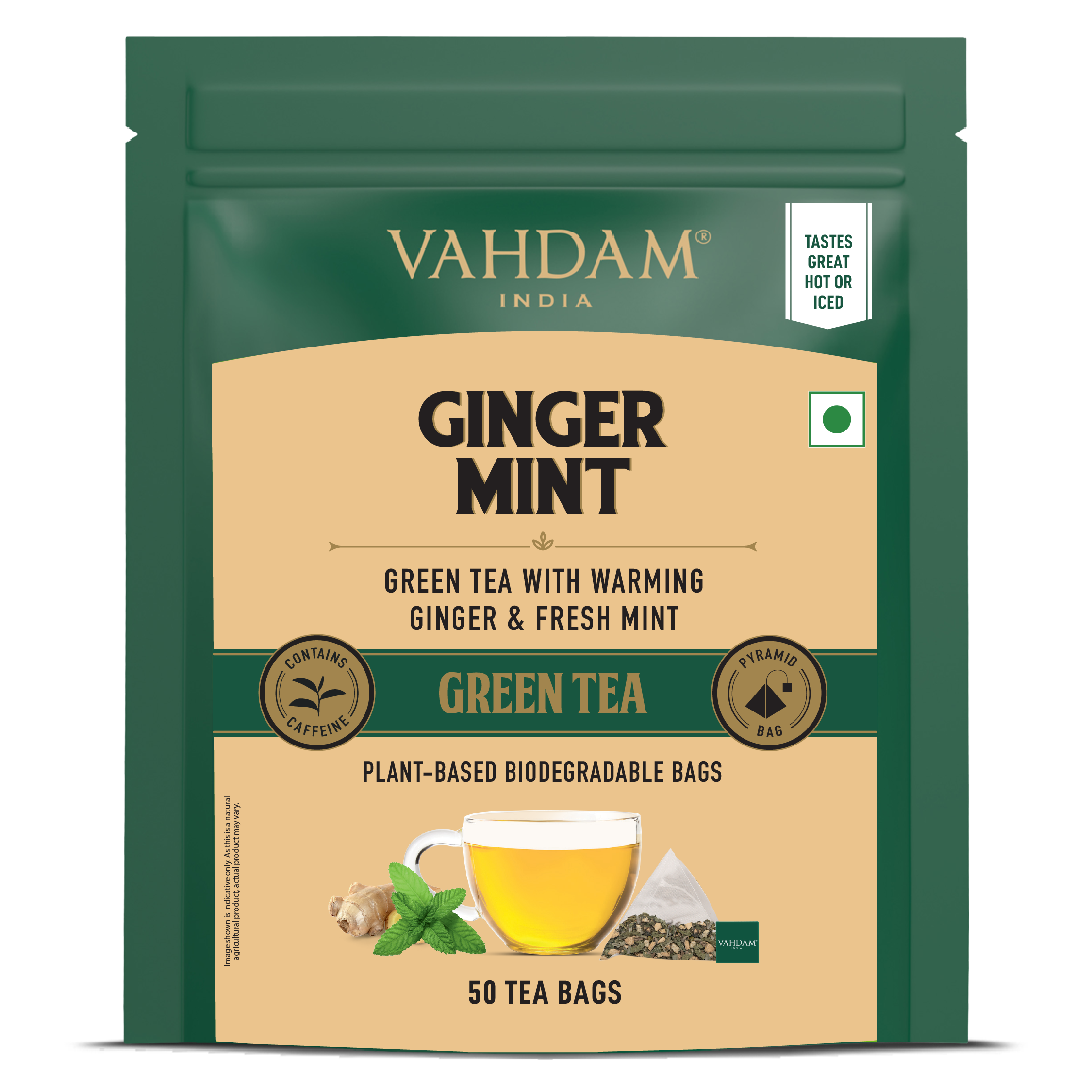
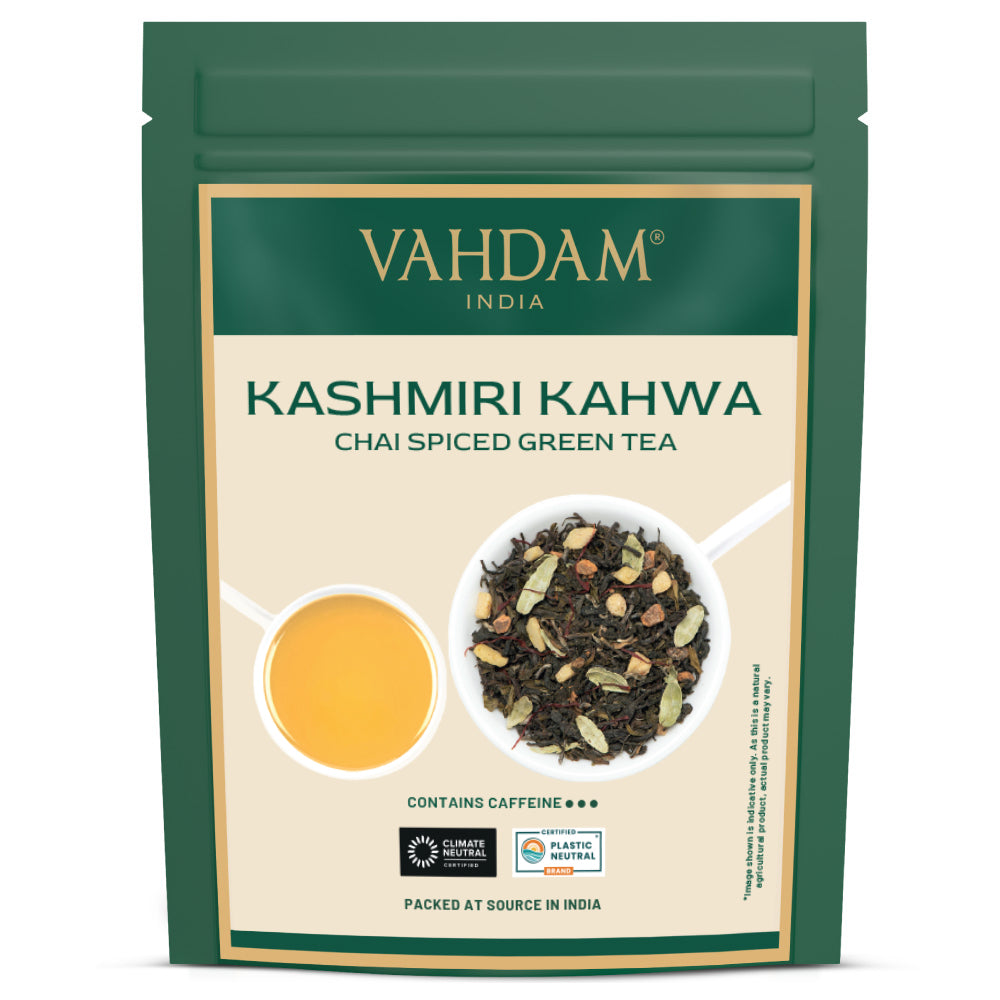
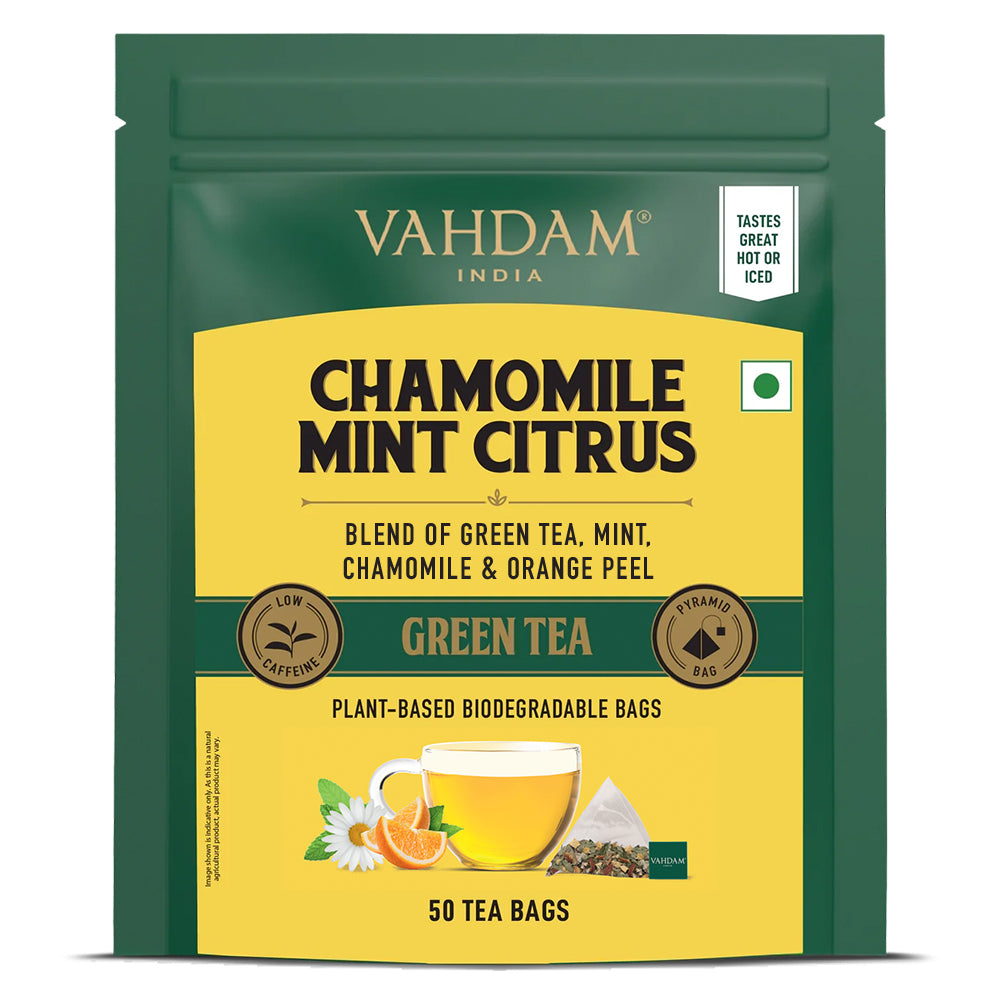
For a long time green tea got filed under 'the healthy one', the cup you drank because you were supposed to, not because you wanted to. That's changed. People are paying attention to leaf grade, to where the tea was grown, to how it was processed, and to what actually happens in the cup when you get the water temperature right. Green tea has quietly become something you drink for the taste, not just the antioxidants.
And taste is exactly where quality shows up. The same leaf, brewed two different ways, can give you a bright, grassy, almost sweet cup or a bitter one you want to pour out. Freshness matters. Leaf grade matters. So does the difference between tea picked from a garden this season and dust that's been sitting in a warehouse. That's the whole reason this page exists, to help you find a green tea you'll genuinely look forward to.
You'll find a fair bit of range here. Classic single-origin green teas for people who like a clean, traditional cup. Mint green tea and spiced blends like Kashmiri kahwa when you want aroma. Fruit-forward and citrus blends that make excellent iced tea. Turmeric and spice-led wellness blends for a daily ritual. Most of it is grown high in the Himalayas, where cool air and slow growth give the leaf its character (more on the sourcing further down).
Flavour-wise, expect a spectrum: floral and delicate, fresh and vegetal, gently toasted, citrus-bright, cooling with mint, smooth and easy-drinking. Some cups lean crisp and green; others are rounder and softer. There's no single 'green tea flavour', which is part of the fun.
Who's it for? Honestly, most people. Beginners who've only ever had a bitter cup and assumed that was just how green tea tastes. Daily drinkers who want something reliable. Anyone cutting back on coffee and looking for a gentler lift. Iced-tea lovers. And wellness-minded folks who want a ritual that tastes good, not medicinal. As for when to drink it: a slow morning cup, an afternoon reset when focus dips, a big jug of cold brew in summer, or just a mindful five minutes away from a screen.
Benefits of VAHDAM Green Tea
Yes, green tea comes with the usual talking points: antioxidants, everyday wellness, a lighter caffeine lift than coffee. Those are real, and you've heard them a hundred times. What's harder to find is green tea that earns its place on flavour alone. That's the part we care about, so here's what actually separates these teas from a box of supermarket bags:
- Whole leaf and premium leaf grades, not the broken 'dust and fannings' that packs cheap tea bags and turns bitter fast. Bigger, intact leaves brew a cleaner, rounder cup.
- Careful processing that protects the leaf's natural character instead of flattening it, the way high-volume commercial production tends to.
- Grown high in the Himalayas, where cooler air and slower growth concentrate flavour in the leaf.
- A direct-from-source model: we buy straight from the growers and gardens rather than through the usual chain of auctions and brokers. That means the tea reaches you closer to harvest, so it tastes fresher rather than faded, and more of what you pay goes back to the people who actually grew it.
- Balanced flavour without the aggressive bitterness people brace for, so even the classic greens are approachable.
- Both classic and flavoured blends, so whether you want a pure single-origin or a mint-and-citrus cup, there's a fit.
- Made to work hot and iced. Plenty of these teas are as good over ice or cold-brewed as they are steaming.
- Pyramid tea bags and loose leaf options that give the leaf room to open up and release its flavour properly.
- Enough variety that even the 'I don't really like green tea' crowd usually finds one they do.
- Smooth, easy entry points for anyone switching over from coffee or sugary drinks.
What Makes Green Tea Different From Black Tea & White Tea?
All three come from the same plant, Camellia sinensis. What separates them is mostly what happens after the leaf is picked: how much it's allowed to oxidise. That one variable changes the colour, the flavour, the caffeine, and how you should brew it. Here's the quick version:
| Green Tea | Black Tea | White Tea | |
|---|---|---|---|
| Oxidation | Minimal, leaves are heated early to stop it | Fully oxidised | Barely any, the least processed of the three |
| Flavour & body | Fresh, vegetal, sometimes floral; light body | Bold, malty, brisk; full body | Delicate, subtly sweet, soft and light |
| Caffeine | Low to moderate | Highest of the three | Lowest, usually very gentle |
| Brew temperature | 75–80°C, never boiling | 95–100°C, full boil is fine | 80–85°C |
| Best for | Daily sipping, iced tea, a calm lift | Mornings, milk tea, a strong wake-up | Slow, delicate sipping |
| Typical origin | High-elevation Himalayan gardens | Assam, Darjeeling, and robust lowland regions | High-mountain gardens; the youngest buds and tips |
Understanding the Different Types of Green Tea, and What's Best for Your Needs
Green tea isn't one thing. Once you know the rough categories, choosing gets a lot easier. Here's how we'd break it down.
Classic Green Tea
This is green tea in its most honest form: single-origin leaf, no flavourings, nothing to hide behind. Expect a clean, vegetal taste and a lighter body, the kind of cup that's been drunk more or less this way for centuries. If you like simple rituals and want to taste the leaf itself, start here. It's the everyday workhorse: unfussy, refreshing, and endlessly re-drinkable.
Flavoured Green Tea
This is where a lot of people fall for green tea without realising it. Mint green tea brings a cooling lift. Spiced blends like Kashmiri kahwa bring warmth and aroma. Citrus and fruit-infused blends are bright and easy, and they make some of the best iced tea you'll pour all summer. Because the added aromatics round off any edge, these tend to be the most beginner-friendly and the most forgiving if you're still dialling in your brew.
Wellness Green Tea Blends
Turmeric blends, spice-forward mixes, herbal add-ins, green tea with a functional tilt. The trick, and the thing most brands get wrong, is keeping these drinkable. A wellness blend that tastes like a supplement doesn't survive past the first cup. These are built to earn a spot in your daily routine on flavour first, with the feel-good part as a bonus rather than an excuse.
Which Green Tea Is Best for Beginners?
Short answer: start with a flavoured green tea. A mint or citrus blend gives you aroma and a softer, lower-bitterness cup while your palate adjusts, so your first experience isn't a mouthful of astringency. From there, drift toward classic greens as you learn what you like.
The bigger secret is that brewing technique matters more than most beginners expect. Cooler water and a shorter steep will turn a 'too bitter' tea into a smooth one, same leaf, completely different cup. If you're coming off coffee or sugary drinks, ease in: try it lightly sweetened or over ice at first, then dial the sugar back as the tea itself starts tasting good to you.
What Does Green Tea Actually Taste Like?
If your only reference point is a bitter cup from a sad office tea bag, this is worth resetting. Good green tea, brewed properly, tastes fresh and alive. Think grassy and vegetal, sometimes with a gently toasted, nutty edge depending on the blend. The texture ranges from silky to light and almost weightless. There's usually a clean, refreshing finish that leaves your mouth feeling rinsed rather than coated.
A little bitterness can show up, and in small doses it's part of the character: it's balance you want, not a completely flat cup. The real difference between premium leaf and mass-market tea is smoothness. Better leaf, brewed with a bit of care, gives you all the freshness without the harsh, drying astringency that makes people wince and reach for the sugar.
Why Does My Green Tea Taste Bitter?
Almost always, bitterness is a brewing problem, not a tea problem. Green tea is delicate, and it punishes a heavy hand. The usual culprits:
- Water too hot. Boiling water scorches green tea leaves and drags out bitterness. This is the number one mistake.
- Steeping too long. Green tea doesn't need much time: leave it in and it turns.
- Low-quality tea dust or fannings, which release harshness fast and have little sweetness to balance it.
- Using too much leaf for the amount of water.
- Old or badly stored tea that's lost its freshness and gained a stale, flat bitterness.
- Squeezing the tea bag to 'get more out of it'. You mostly get more bitterness.
- Oxidation and staleness from tea left open to air, light, or moisture.
Quick fixes: let the kettle cool for a couple of minutes before pouring (aim for 75–80°C), cut the steep time down, use fresher tea, try a filtered-water base if your tap water is hard, and with good loose leaf, give it a second steep, since the second cup is often the sweetest.
How to Brew Green Tea Properly at Home
None of this is complicated, but the details are what stand between a bitter cup and a beautiful one.
- Temperature: aim for 75–80°C (167–176°F). If you don't own a thermometer, boil the kettle and let it sit for two to three minutes, or add a splash of cool water.
- Why not boiling: green tea leaves are lightly processed and delicate. Boiling water essentially cooks them and pulls out sharp, bitter compounds before the sweeter notes get a chance.
- Loose leaf method: about one teaspoon per cup, steep 2–3 minutes, then strain. Give the leaves room in a roomy infuser like our Classic Tea Infuser, since a cramped one can't let them open properly.
- Tea bag method: one pyramid tea bag per cup, same temperature, 2–3 minutes, and lift it out gently without squeezing.
- Re-steeping: good whole-leaf green tea has more than one cup in it. Steep the same leaves again, adding maybe 30 seconds. Many people find the second infusion smoother than the first.
- Iced green tea: brew it stronger than usual (the ice dilutes it), let it cool, then pour over a full glass of ice. A twist of lemon or a few mint leaves finishes it nicely.
- Cold brew: one teaspoon (or one bag) per cup of cold water, straight into the fridge for 4–8 hours. No heat means almost no bitterness, and it's the smoothest, sweetest way to drink green tea, and effortless.
Beginner mistakes to skip: over-steeping, squeezing the bag, using too much or too little leaf for the water, and brewing with heavily chlorinated water. Fix those four and you're most of the way to a great cup.
How We Source Our Green Tea
'Sourced responsibly' means nothing on its own, so here's the actual detail. Our green teas are grown high in the Himalayas, largely around Darjeeling in the cool, misty foothills, where the plant grows slowly at elevation and that slow growth concentrates flavour and aroma in the leaf. It's why a high-grown green tastes more layered than something rushed out of a hot lowland field. Because we buy direct from the gardens rather than through auctions and brokers, the tea moves from harvest to packing on a tight timeline instead of ageing in a distribution chain for months.
That freshness is then protected in the pack: our green tea bags are plant-based biodegradable pyramids, individually enveloped, and our loose leaf is vacuum-sealed, both built to keep out the air, light, and moisture that dull green tea fastest. For the flavoured blends, the base leaf is chosen first and the mint, spice, or citrus is built around it, so the added flavour lifts the tea instead of masking a weak one. Every lot gets tasted for consistency, because 'the blend I loved last time' should taste like that again.
How Customers Like to Drink Our Green Tea
- Citrus iced green tea
- Mint green tea cooler
- Honey lemon green tea
- Green tea mocktails
- Sparkling iced green tea
- Green tea smoothie blends
- Morning tea rituals
- Afternoon work-from-home tea setups
- Summer cold brew green tea
- Green tea with light desserts or breakfast pairings
Frequently Asked Questions About Green Tea
What is the best green tea for beginners?
A flavoured green tea (mint or a citrus blend) is the easiest place to start. The aromatics soften the cup and lower any bitterness while your palate adjusts. Brew it a little cooler and a little shorter than you think, and it'll taste smooth from the first try.
Does green tea contain caffeine?
Yes, but less than black tea and noticeably less than coffee. It's usually a gentle, steady lift rather than a jolt, which is part of why people reach for it in the afternoon. If you're sensitive, keep the steep short and drink it earlier in the day.
Why does green tea taste bitter?
Almost always because the water was too hot or the tea steeped too long. Green tea is delicate, and boiling water scorches it. Let the kettle cool to around 75–80°C, keep the steep to 2–3 minutes, and don't squeeze the bag. That alone fixes most bitterness.
How should green tea be stored?
Airtight, away from light, heat, moisture, and strong smells. Tea is a sponge for odours, so keep it out of the spice cupboard. A sealed pouch in a cool, dark spot keeps it fresh and protects the flavour.
Can I drink green tea every day?
For most people, yes: a daily cup or two fits comfortably into a normal routine. Just keep an eye on your overall caffeine if you're also drinking coffee, and if you have a specific health condition or you're pregnant, check with a doctor.
Which green tea is best for iced tea?
Citrus and fruit-forward blends, and mint green tea, are naturals over ice. Brew a stronger batch (the ice waters it down), cool it, then pour over plenty of ice. Cold brew works beautifully too and comes out especially smooth.
What temperature should green tea be brewed at?
Around 75–80°C (167–176°F), below boiling. No thermometer? Boil the kettle, then let it rest two to three minutes before pouring. That small pause is the difference between smooth and bitter.
Is loose leaf green tea better than tea bags?
Loose leaf gives the leaf the most room to open and release flavour, and it usually means larger, higher-grade leaf. That said, a good pyramid tea bag with whole leaf inside gets you most of the way there with less fuss. Both beat cheap dust-filled bags.
Can green tea be re-steeped?
Good whole-leaf green tea, yes: often two or three times. Add roughly 30 seconds to each following steep. A lot of drinkers find the second cup the sweetest, so you're leaving flavour behind if you toss the leaves after one go.
What's the difference between green tea and matcha?
Matcha is green tea leaf (shade-grown, then stone-ground into powder) that you whisk into water and drink whole (leaf and all), so it's more concentrated and richer. Regular green tea is steeped and the leaves are removed, giving a lighter cup. Same plant, very different experience.
Show Us Some Love On